2026 Peninsula Field Survey
Independent Cartographic & Cultural Documentation Milan Desk
Dossier Italian Heritage & Topography

Italy Beyond the Grand Tour

Step away from crowded urban boulevards into stone-carved mountain hamlets, sun-warmed country backroads, silent alpine mirrors, and ancient family vineyards. An independent guide to authentic regional travel across the Italian peninsula.

5 In-Depth Monographs 100% Ground-Surveyed ZTL & Transit Protocols Verified
5,500+ Italian Borghi under 5,000 residents holding centuries of architectural records
20 Distinct regional culinary micro-climates from northern valleys to southern soils
1,460m Highest defensive Apennine bastion catalogued in our field routes
0% Commercial tour bus circuits; focused on slow and autonomous transit

The Curated Archive

Five Pathways into Lesser-Known Italy

Presented in sequential field dossiers: each editorial guide evaluates physical accessibility, seasonal pacing, transit realities, and heritage preservation.

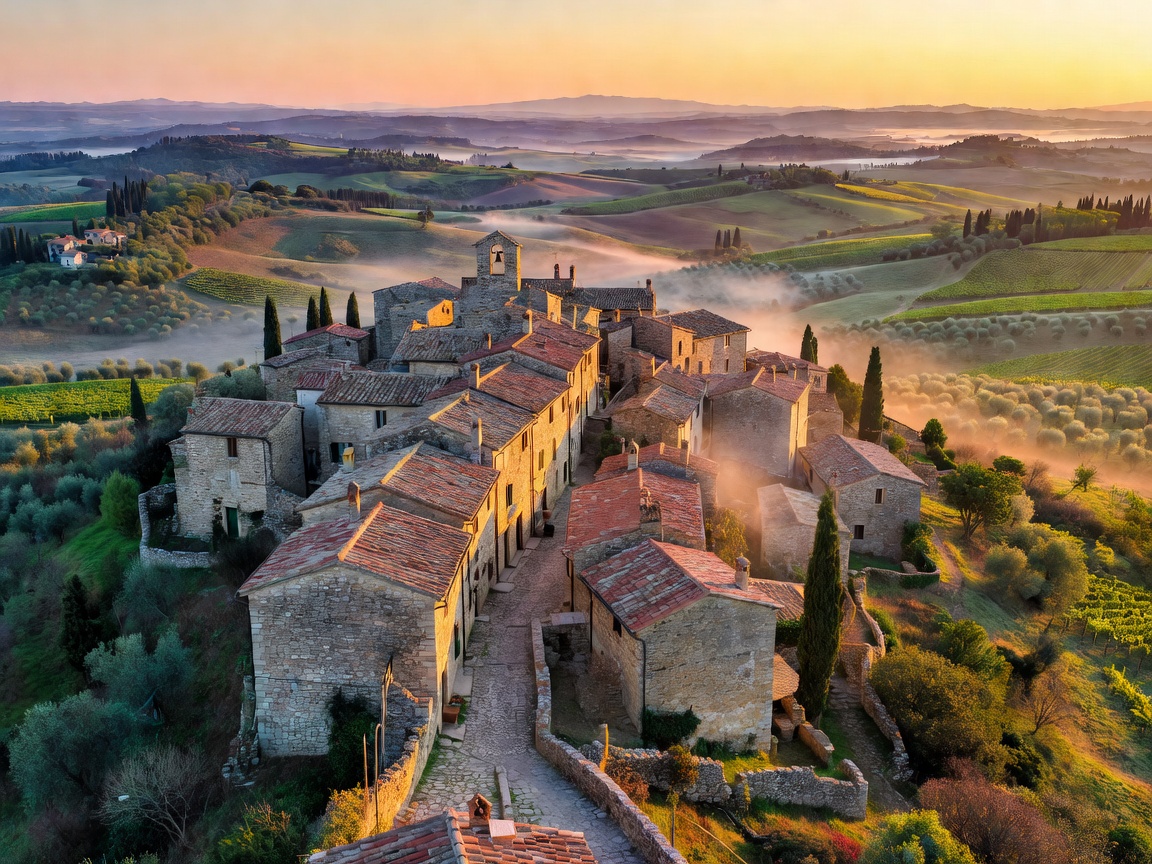
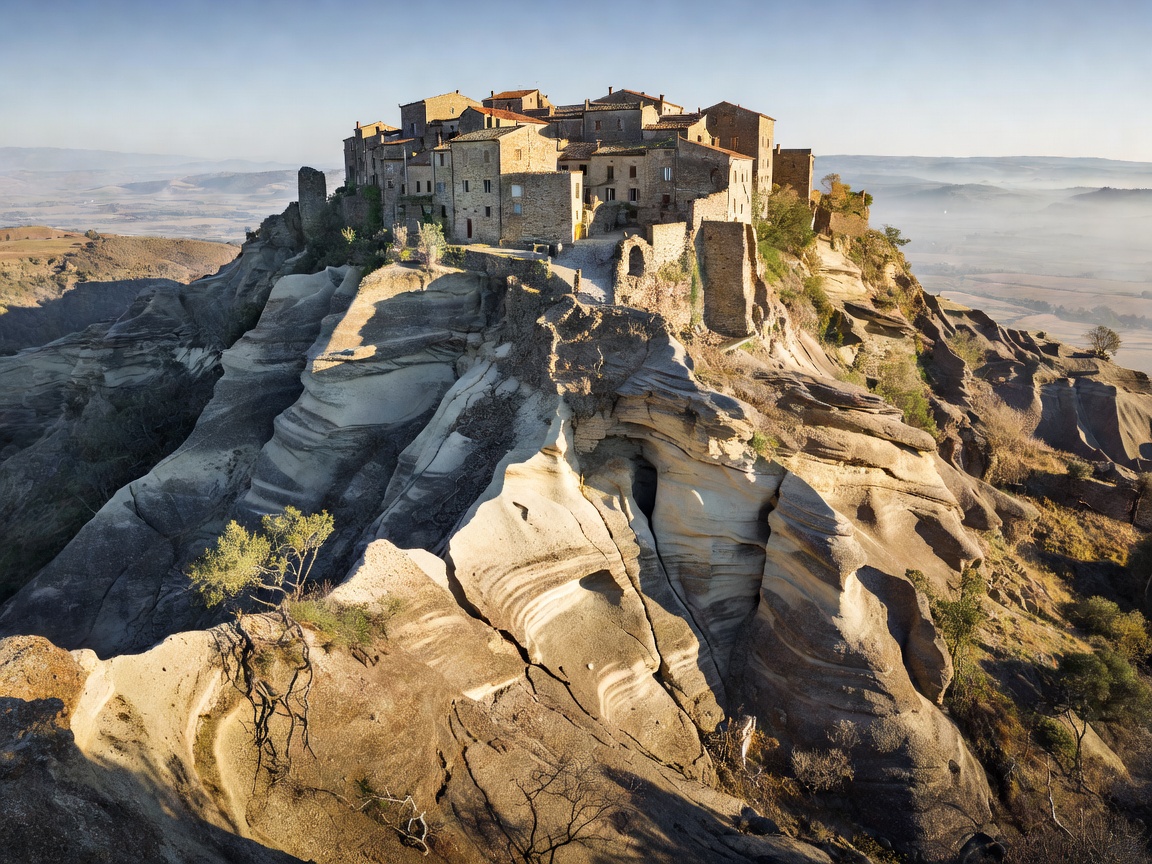
Civita di Bagnoregio perched on an eroding volcanic plateau Dossier I · Hamlet Monograph
01
Borghi & Medieval Settlements Lazio · Basilicata · Veneto · Tuscany

Stone Fortresses and Isolated Borghi: Surviving Medieval Sanctuaries

Beyond Italy's arterial high-speed rail lines lies a constellation of fortified settlements built on sheer volcanic tufa, perched atop jagged dolomite crags, or suspended across quiet rivers. Discover cliffside settlements accessible only by pedestrian bridges, mountain amphitheaters carved into sandstone spires, and historic weir systems preserved since Renaissance dukedoms.

✦ Footbridge-Only Access ✦ Strict ZTL Perimeters ✦ Alberghi Diffusi ✦ Seismic Stabilization
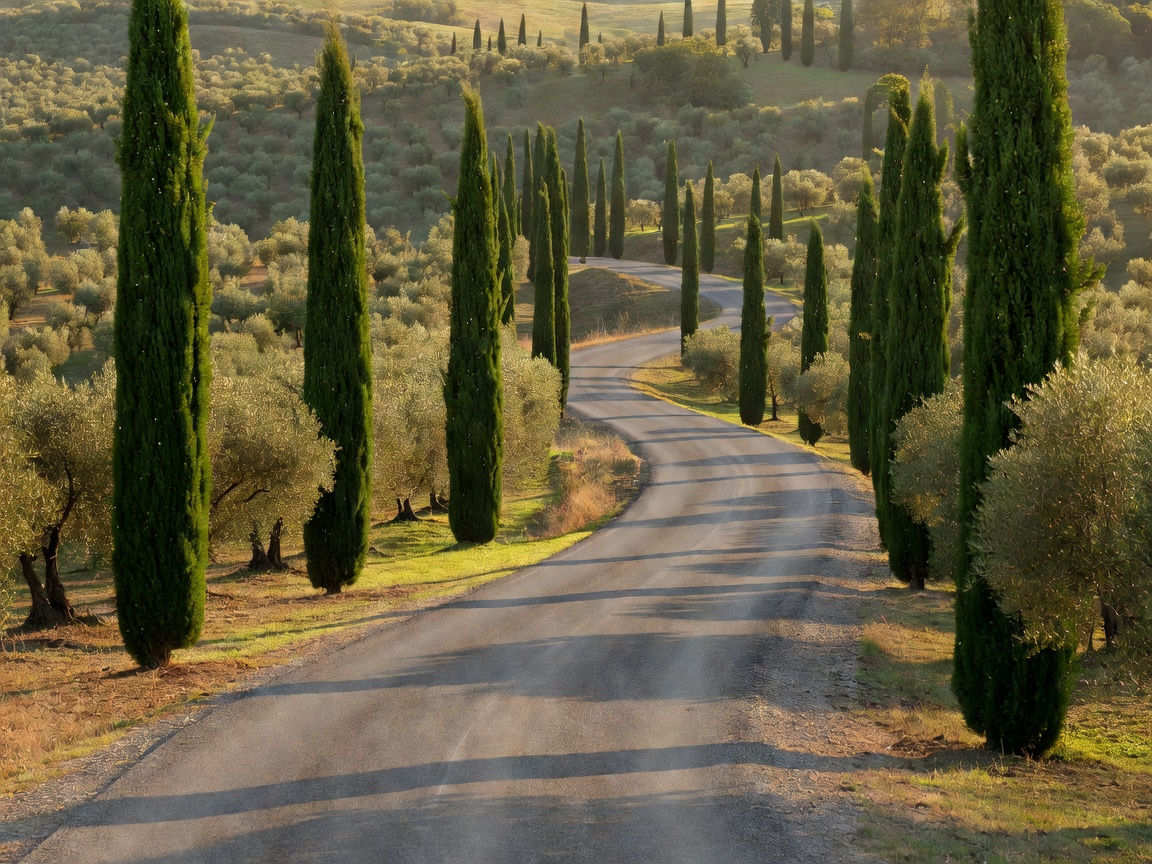
Winding two-lane asphalt road lined with tall cypress trees and olive groves Dossier II · Scenic Transit
02
Secondary Roads & Mountain Byways Tuscany · Veneto Prealps · Umbria

Countryside Routes and Historic Byways: Touring Italy by Road

While the Autostrada del Sole shuttles millions between major hubs at 130 km/h, the authentic topographic soul of Italy reveals itself on provincial two-lane corridors. Navigate the gravel strade bianche through rolling clay knolls, the cypress-fringed curves of Val d'Orcia, and engineering wonders forged along sheer dolomite ridges.

✦ Val d'Orcia SP146 ✦ Chiantigiana SR222 ✦ Chalk Gravel Roads ✦ Small-Car Navigability
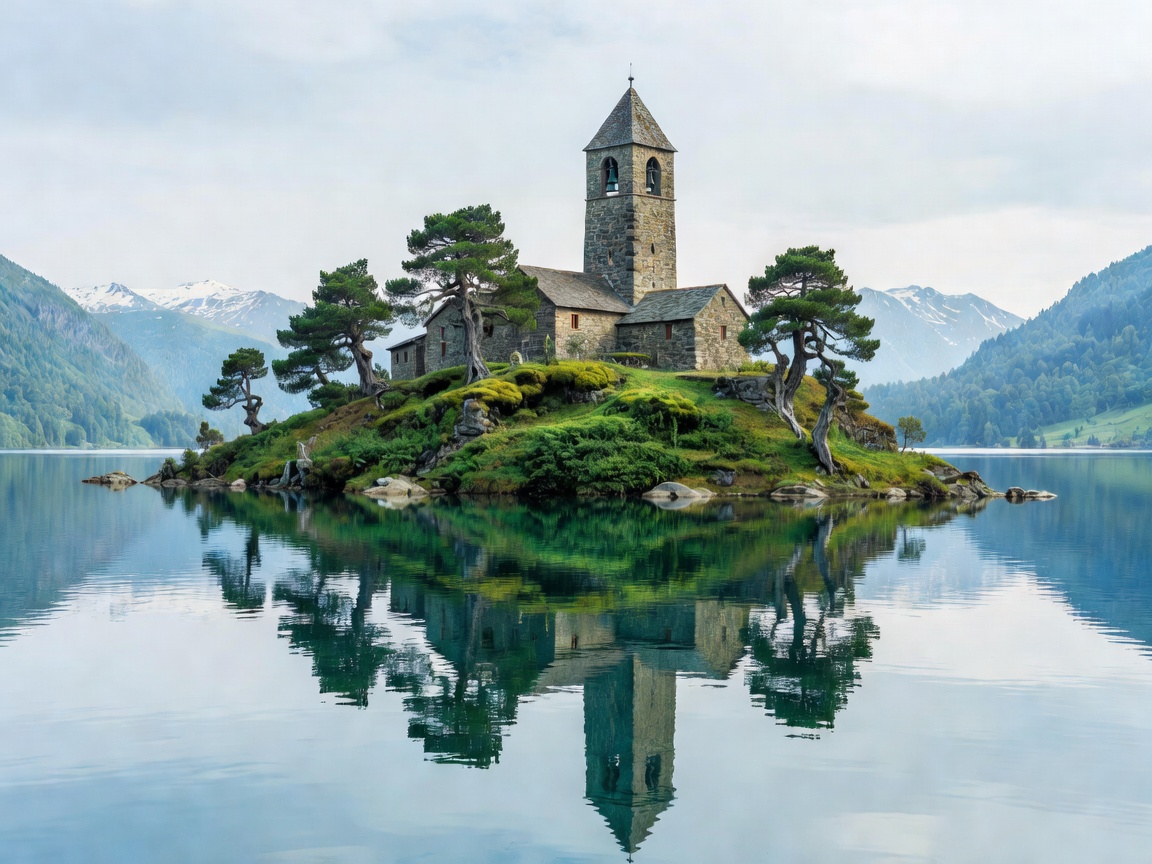
Calm alpine lake water surrounding a verdant island with stone village bell tower Dossier III · Limnology & Shores
03
Sub-Alpine Basins & Mountain Tarns Lombardy · Piedmont · Abruzzo · Umbria

Quiet Lakes and Sacred Waters: Beyond Northern Crowds

A contemplative sanctuary away from the saturated promenades of Como and Garda. Explore Lake Iseo’s car-free island community of Monte Isola, Lake Orta’s cloistered fourth-century basilica along La Via del Silenzio, and the heart-shaped high mountain lake of Scanno cradled in the Apennines.

✦ Car-Free Monte Isola ✦ Cloistered Isola San Giulio ✦ Scheduled Ferry Transits ✦ Wild Swimming Lidos
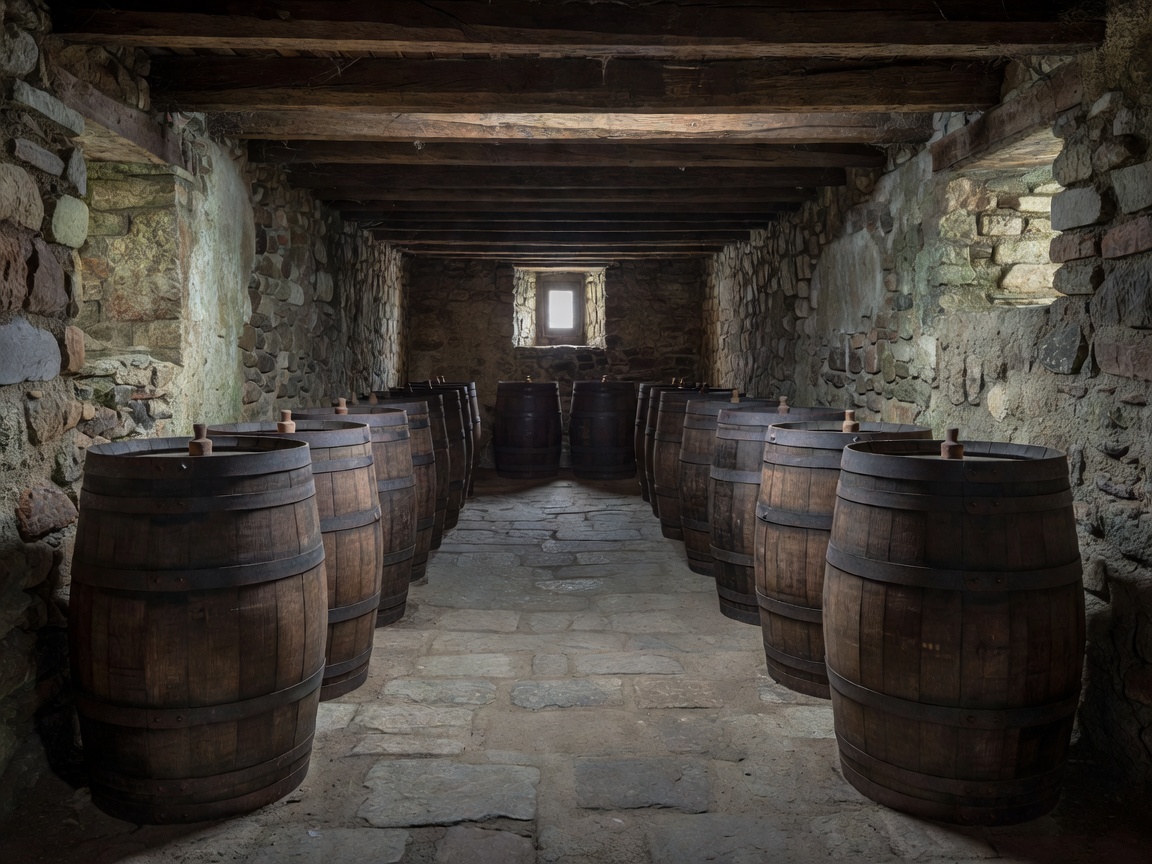
Row of dark oak vinegar barrels in a traditional stone attic acetaia Dossier IV · Terroir & Gastronomy
04
Terroir Architecture & Monastic Dairies Emilia-Romagna · Piedmont · Campania

Traditional Foodways and Vaulted Cellars: The Geography of Taste

Italian cuisine is a mosaic of fiercely guarded communal traditions shaped by localized geology and generational barrels. Delve into the architectural contrast between Po Valley vinegar attics (acetaie), cathedral-like Parmigiano curing lofts, Langhe sandstone wine vaults, and volcanic Irpinia Aglianico cellars.

✦ 25-Year Modena Batteries ✦ Caseificio Dawn Visits ✦ Nebbiolo Oak Casks ✦ Certified DOP Standards
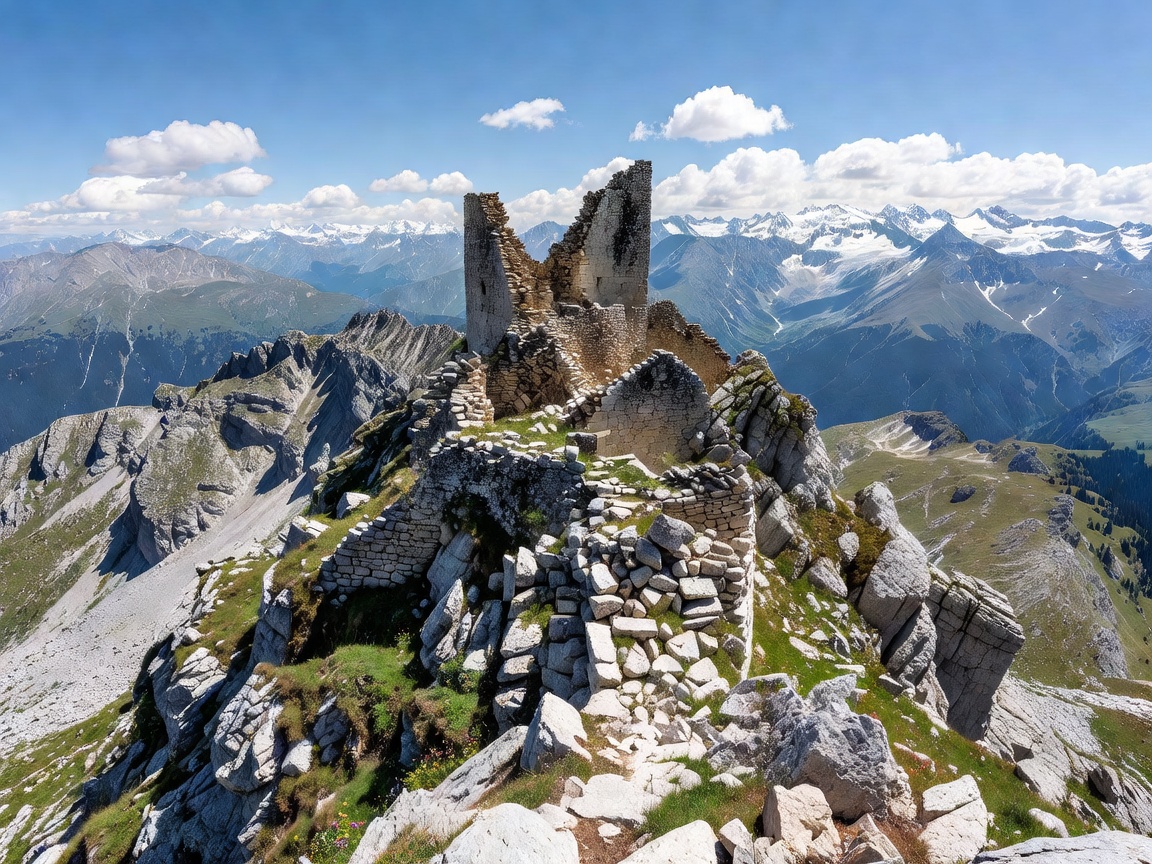
High mountain fortress ruin on a limestone ridge surrounded by alpine peaks Dossier V · High Spires & Archaeology
05
Alpine Keeps & Cliffside Hermitages Abruzzo · Piedmont · Marche · Umbria

High-Altitude Fortresses and Hermit Sanctuaries: Italy from the Clouds

Built upon windswept limestone crests, wedged into karst caverns, or anchored to sheer granite pinnacles. Examine Rocca Calascio at 1,460 metres in Gran Sasso, the imposing Sacra di San Michele standing guard over Val di Susa, and the neoclassical Tempio del Valadier enclosed inside a dramatic cave mouth.

✦ Rocca Calascio (1,460m) ✦ Sacra di San Michele ✦ Cave-Enclosed Temple ✦ High Alpine Footpaths

Regional Preservation Principles

Authentic Italian heritage survives not through static museum preservation, but through continuous agricultural stewardships, restored dry-stone masonry, and seasonal communities maintaining active local traditions.

5,500+ Italian municipalities with fewer than 5,000 residents holding centuries of architectural records
20 Distinct culinary micro-climates across northern alpine valleys down to southern volcanic soils
1,400m Elevation reached by medieval defensive bastions along the rugged Apennine spine
100% Commitment to regional non-massified itineraries respecting ecological carrying capacity

Travel Philosophy

How to Experience Rural Italy Responsibly

Traveling through regional Italy requires adjusting your clock to local rhythms. Many historic villages observe midday pauses (riposo), train services run along single-track branches with reduced weekend timetables, and cellar doors require formal advance notice.

By traveling during shoulder months (April to May, late September through November), visitors relieve structural strain on delicate hilltown infrastructures while experiencing seasonal harvests and uncrowded panoramic lookouts.

The Four Cardinal Rules

  • Embrace Rail & Secondary Corridors: Utilize regional Trenitalia and Ferrovie del Sud Est lines connecting province capitals to rural junctions before renting local transport.
  • Honor the Riposo: Plan village explorations between 08:30 and 12:30 or after 16:30 when artisan workshops reopen their cedar shutters.
  • Taste Terroir in Context: Seek out Osterie and Trattorie displaying seasonal regional dishes rather than universal tourist menus.
  • Respect Sacred Spaces: Enter parish churches and mountain hermitages quietly with shoulders covered, keeping flash photography prohibited.